As urban infrastructure continues increase in size because of space limitations underground construction has become more complicated. Metro corridors, underground stations basements or deep structures for utility need methods of construction that guarantee security, structural integrity as well as long-term durability. In these methods diaphragm wall systems are gaining popularity as a option for deep excavations and earth retention projects.
The standards of diaphragm walls construction have greatly improved throughout the years, mostly because of the use of advanced, high-performance equipment. Modern machinery allows for greater precision, more control over groundwater and soil and a faster execution. This article discusses how modern equipment is crucial in improving the safety, quality, and effectiveness of diaphragm wall projects.
D Wall Construction is special technique used to build strong concrete wall structures in the ground prior to digging. These walls are permanent retaining structures, and frequently are incorporated into an underground frame.
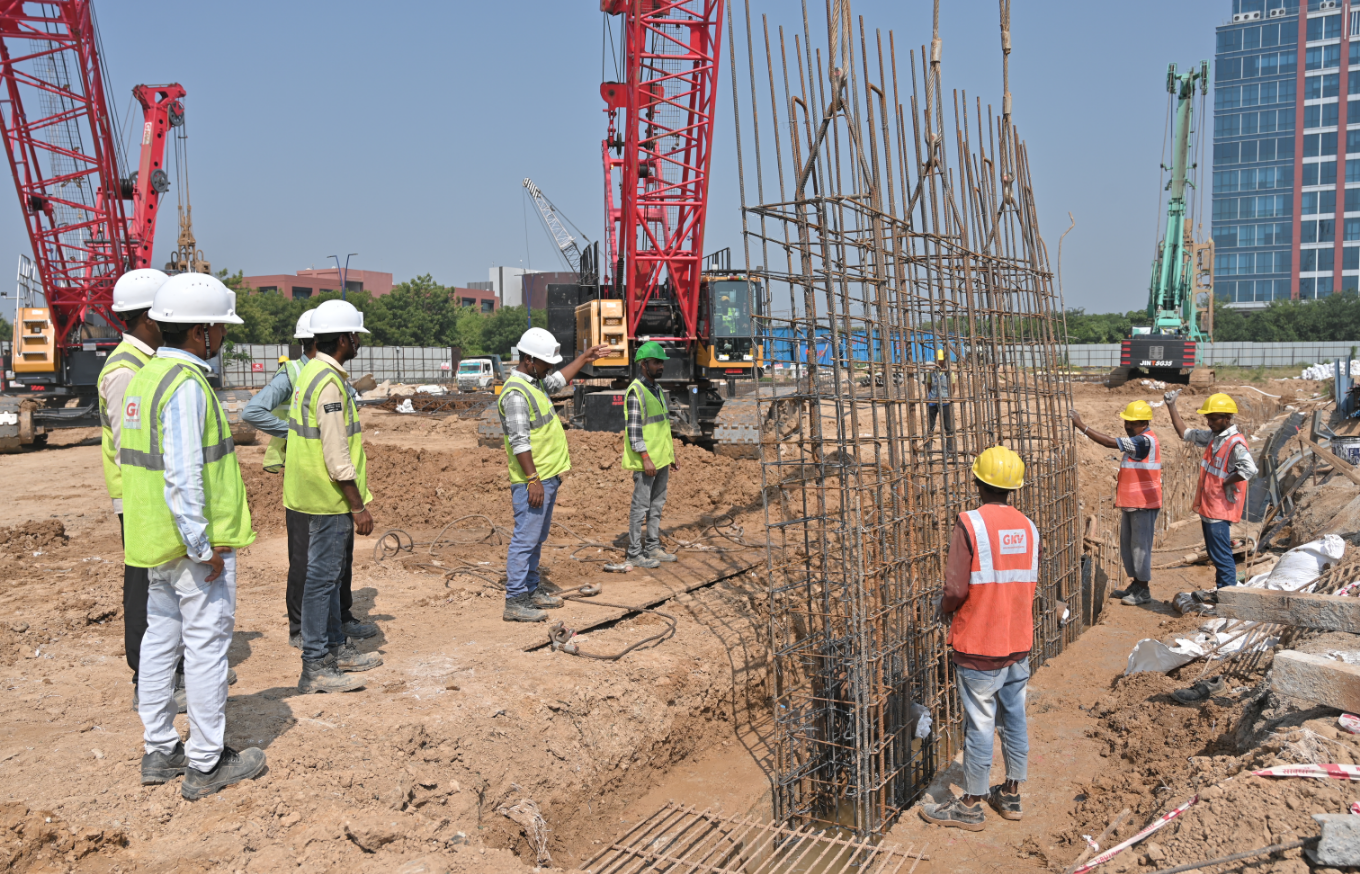
The process involves digging narrow horizontal trenches and stabilizing them by Slurry, then putting reinforcement cages and laying concrete in the trench to create a wall that is continuous. Since the work is done at a lower level, and frequently close to existing structures, precision and control are essential. Modern technology ensures that every construction stage is in line with the strictest safety and engineering standards.
In the early days of construction diaphragm wall services relied on mechanical tools that provided only the most limited control of depth as well as alignment and soil’s behaviour. This led to uneven trenches, increased risk of collapse and more the need for rework.
Thanks to technological advances, specialized machines are being developed for digging deeper and more difficult soil conditions and tighter timelines for projects. Modern equipment incorporates automated systems, monitoring systems and improved cutting capabilities, which allows engineers to create better diaphragm walls and predictable results.
Diaphragm wall grabs are one of the most important tools used in the diaphragm construction process. They are made to dig small trenches with precision within the walls of guideways.
Their design permits controlled soil removal while causing minimal disturbance to the surrounding ground. This is crucial to maintain the wall’s geometry that directly impacts the strength of the structure and distribution of load. The improved grab technology can also help reduce over excavation, which reduces concrete consumption and enhancing overall efficiency of construction.
The diaphragm wall grab machine serves as the principal system of operation which powers and controls it during the process of excavation. Modern diaphragm wall grab machine are fitted with the latest hydraulic systems and real time monitoring tools that allow operators to ensure consistency throughout the entire excavation process.
The result is that the quality of the trench increases, reinforcement placement is more precise the final concrete wall has higher quality and durability.
It is the d wall rig machine plays crucially in maintaining stability during excavation. Built to accommodate heavy equipment it ensures precise vertical movements and position of equipment.
These characteristics let construction teams construct more affluent walls with little deviation. The improved accuracy offered by modern rigs significantly reduces structural risks and increases long term wall performance.
For projects that involve hard strata or mixed soil conditions or deep wall thicknesses, trench cutter d wall construction technology has evolved into an industry leader. Trench cutter d wall construction employ rotating cutting wheels to cut through the dense rock and soil with a remarkable accuracy.
The accuracy achieved by trench cutters allows for more concrete bonding and reinforced placement, resulting in more durable and stronger diaphragm walls.
The performance of a diaphragm’s wall is directly affected by the precision and consistency of the trenches. Modern technology ensures that the trenches are in line with precise design specifications that improve the structural performance that the wall exhibits.
Achieving accurate excavation will also ensure that diaphragm walls work effectively as stabilizing structures and permanent foundation elements for underground construction.
Safety is an important concern for excavation workers working in deep trenches. Modern diaphragm wall construction equipment dramatically reduces the risk of injury by restricting the need for manual intervention as well as improving excavation control.
Through improving control of operations and reducing the risk of uncertainty, modern machines create safer working conditions for construction crews and minimizes the environmental impact, particularly in urban environments with high density.
Modern equipment has an immediate impact on the project’s efficiency and cost control. Increased excavation speeds, less the need for rework and improved coordination between concrete and excavation reduce overall timelines for projects.
This efficiencies translate to more cost-effective control and better project execution, which makes modern diaphragm wall techniques economically beneficial for large-scale infrastructure development.
The development of equipment for construction has revolutionized the standard of diaphragm wall construction. With improved accuracy, increased safety, and speedier execution, modern machines have raised the diaphragm wall system to meet the requirements of today’s complicated underground construction projects.
From precision excavation to higher ecological performance. The use of cutting-edge tools has redefined the standards for quality in the field. Leaders in infrastructure such as GKV Infrastructure will continue to implement the latest technology to provide solid high-performance underground structures that aid in sustainable urban growth.

We’re here to assist you and answer any questions you may have. Submit this form to send us your Inquiry.
You can also call us at +91 97272 54900.
 Get in Touch


