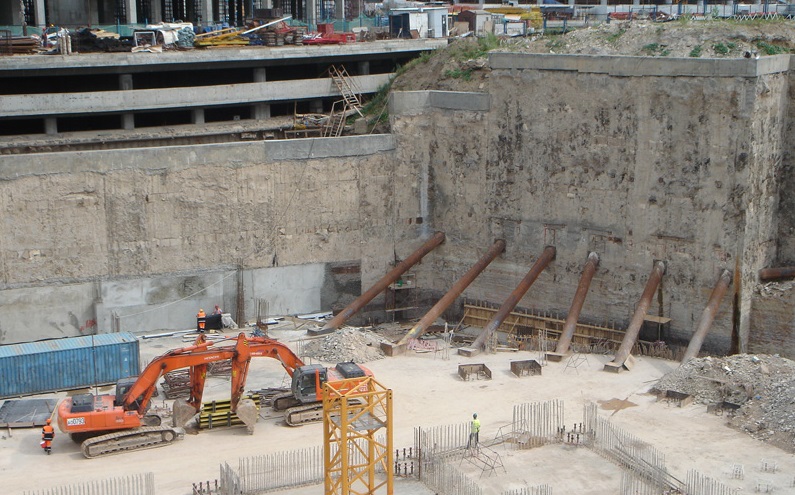
No matter what the project is, whether its Metro rail lines, tall-rise structures basements, structures that retain water diaphragm walls give the required strength and stability. The most crucial phases of construction is trench excavation, in which accuracy and the right technique are crucial. This is the place where sophisticated equipment such as diaphragm-based wall grabs as well as diaphragm wall grab machines are crucial in delivering accurate and efficient results.
Diaphragm walls are basically reinforced concrete walls that are constructed below the ground. The walls are constructed by digging narrow, deep trenches before filling them up with concrete. This process requires an extremely precise level of precision since even minor variations in the alignment of the trench or depth can impact the strength that the wall. In the past conventional excavation techniques were often a source of problems, like uneven trench surfaces and soil collapse. This could pose security risks. But, since the introduction of modern trenching techniques construction methods, the process has improved in terms of reliability efficient, safe, and effective.
In the modern d wall construction modern trenching techniques are employed to ensure that the excavation process can be completed efficiently and precisely. These techniques do not just improve how the trench is constructed, they aid in ensuring the stability of the soil around it that is crucial in urban regions where space is restricted and structures nearby must be secured.
The most commonly employed tools for diaphragm wall trenching are the diaphragm wall grabs. These grabs have been designed to remove soil vertically, while keeping an even and straight trench. They work using cutting or lifting the soil in a controlled way and ensuring that the trench is uniform in size. This degree of control is vital since it directly affects the durability and quality of the wall structure. The grabs are especially effective in medium to soft soil conditions. They are typically employed for projects in which precision is a major priority.
The diaphragm wall grab is now an advanced solution that improves the entire trenching process. The machine utilizes hydraulic systems to give better control and efficiency in excavation. In comparison to conventional equipment, this machine offers quicker operations, higher accuracy and a reduction in manual effort. This makes it a great choice in large infrastructure jobs, where both quality and speed are essential. Utilizing these machines can also reduce human error, and ensures consistent outcomes during the entire construction phase.
Advanced trenching techniques also incorporate techniques to ensure the strength of the trench while excavation. The most popular methods is the slurry-supported trench. In this type of excavation it is a particular fluid referred to as betonies slurry, is used to stabilize the trench walls. The slurry exerts pressure on the soil, stopping it from bursting, and keeping it’s shape. This method is very efficient in areas of poor soil and high groundwater levels which means that maintaining stability may be a challenge.
Another key element of trenching in the advanced stage includes the usage of guide walls. They are a small concrete structure constructed at the ground level prior to when excavation starts. Guide walls serve as a reference point for excavation equipment to ensure it is digging in proper direction and in the right alignment. This ensures an even thickness and straightness the diaphragm wall. This is vital for structural strength.
In cases where the the soil is more complicated for example, having hard rocks or thick soil layers further techniques are needed. In these cases modern construction techniques integrate grab machines with trench cutters and wall construction techniques. This lets contractors handle challenging ground conditions efficiently and to achieve greater depth, precision excavation, without sacrificing quality.
Technology has played an important part in improve trenching methods over the last few years. Number of construction projects use real time monitoring systems to monitor excavation depths, alignment and verticality. These systems give instant feedback to engineers that allows them to make adjustments throughout digging. This level of accuracy assists in reducing errors and ensures that the final construction meets the specifications of the design. The Technology has important part in improving trenching methods over the last few years. Numerous construction projects use real time monitoring systems to monitor excavation depths, alignment and verticality.
The latest trenching techniques are widely employed in a variety of infrastructure construction projects. The soil conditions may vary between sites and it can be difficult to maintain a consistent excavation. The high levels of groundwater can cause problems during the process. Also, working in restricted urban areas requires a careful plan and execution. However, these problems can be successfully addressed making use of the appropriate equipment, for instance, a diaphragm wall grabs and modern trenching techniques.
Safety is a crucial aspect in the construction of diaphragm walls. Modern trenching techniques not only increase efficiency, but also improve security for the workers as well as surrounding structures. The controlled excavation process, well-designed support systems and the modern equipment can reduce the likelihood of accidents, and provide the safety of workers.
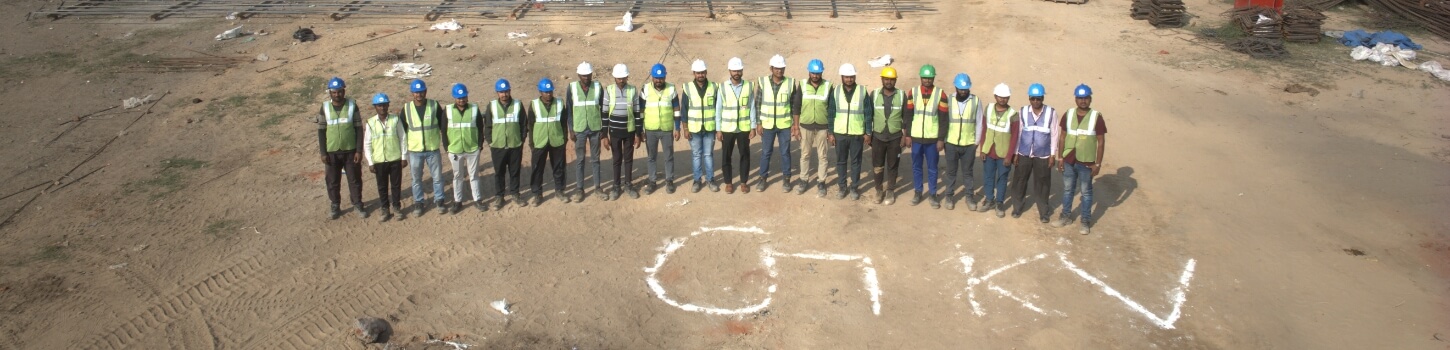
Companies such as GKV Infrastructure are implementing these cutting-edge trenching techniques to provide superior diaphragm wall products. Utilizing modern technology and new methods to ensure that the projects are executed with precision as well as safety and longevity. Their method of operation reflects the increasing importance of technology advancement for construction.
As we look to the future, the construction of diaphragm walls is predicted to become more sophisticated thanks to the emergence of smart technology and automation. Equipment equipped with sensors GPS devices, as well as data analysis will increase precision and efficiency. Sustainable construction materials and eco-friendly methods will contribute to aiding in reducing environmental impact while still ensuring top performance.
Read more about top 6 benefits of d wall construction in underground projects.
The latest modern techniques have changed the method by which diaphragm walls are constructed. The combination of advanced equipment, new techniques, and continuous monitoring has helped make the process more efficient, precise and safer. With these modern techniques, the industry is able to guarantee the development of sturdy and high-quality underground structures in the future.

We’re here to assist you and answer any questions you may have. Submit this form to send us your Inquiry.
You can also call us at +91 97272 54900.

 Get in Touch


