Sustainable D Wall Construction Practices for Modern Diaphragm Walls
August 11, 2026 |
By admin
In the face of environmental challenges, the building and construction industry is changing in the direction of sustainability to minimize its ecological footprint. Diaphragm wall construction, a vital part of modern-day framework, has likewise accepted green practices. By including cutting-edge materials, reliable techniques, and environmentally friendly options, this building method is paving the way for sustainable advancement. This informatics blog checks out the relevance of sustainable methods in diaphragm wall construction, their advantages, and actionable methods to apply them properly.
Understanding Diaphragm Wall Construction
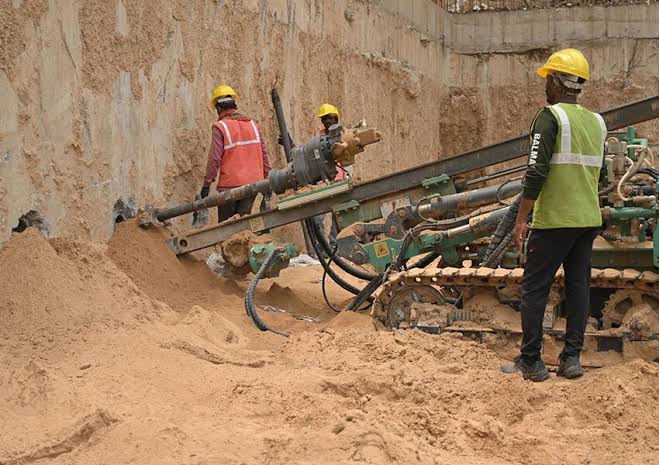
Diaphragm walls are deep, reinforced concrete walls developed to retain dirt and sustain deep excavations for tasks like cellars, tunnels, and underground stations. These wall surfaces are usually constructed utilizing specialized techniques, consisting of trench excavation, slurry support, and support placement.
While efficient, conventional diaphragm wall construction can have significant environmental impacts because of power usage, source intake, and waste generation. Hence, incorporating lasting techniques is crucial for lowering its ecological footprint.
The Importance of Sustainability in Diaphragm Wall Construction
1.Environmental Responsibility
Building and construction activities add to carbon emissions, energy usage, and source exhaustion. Sustainable practices in diaphragm wall construction decrease these impacts, advertising environmental stewardship.
2.Cost Efficiency
Green practices, such as recycling products and optimizing resources, usually cause set you back savings in the future.
3.Regulatory Compliance
Governments worldwide are introducing more stringent ecological laws for construction jobs. Taking on sustainable methods ensures compliance with these criteria.
4.Enhancing Project Value
Sustainability boosts the overall worth of construction jobs by demonstrating environmental commitment, which interest financiers and stakeholders.
Key Sustainable Practices in Diaphragm Wall Construction
1.Using Recycled and Different Materials
- Recycled Accumulations: Replace all-natural aggregates with recycled concrete or smashed waste materials to reduce the exhaustion of natural resources.
- Supplementary Cementitious Materials (SCMs): Materials like fly ash, slag, and silica fume reduced cement usage, decreasing carbon emissions.
- Eco-Friendly Reinforcements: Use supports made from reused steel or alternatives like basalt rebar.
These materials improve the sustainability of diaphragm wall construction without compromising structural honesty.
2. Optimizing Slurry Management
Slurry is a critical element in diaphragm wall construction, utilized to stabilize trenches throughout excavation. Lasting methods in slurry management include:
- Recycling Slurry: Implement systems to clean and reuse slurry, minimizing disposal and product usage.
- Biodegradable Additives: Usage eco-friendly ingredients in the slurry to decrease chemical contamination.
3.Minimizing Waste
Waste generation is a significant challenge in diaphragm wall construction. To resolve this:
- Precise Preparation: Accurate project preparing makes sure optimum resource appropriation, lowering material wastefulness.
- Recycling Excavated Soil: Usage dug deep into dirt for landscape design or backfill to minimize disposal.
- Recycling Construction Waste: Gather and recycle waste products, such as concrete and reinforcement cuttings, for future projects.
4. Water Conservation
Water is thoroughly made use of in diaphragm wall construction, particularly in slurry prep work and concrete treating. Lasting water techniques include:
- Recycling Water: Treat and reuse water in building and construction procedures to reduce usage.
- Low-Water-Use Mixes: Utilize concrete mixes developed to utilize less water while keeping toughness and workability.
- Rainwater Harvesting: Collect rain on-site to supplement water demands.
5. Adopting Green Technology
Cutting-edge modern technologies can reinvent diaphragm wall construction for sustainability.
- Structure Information Modeling (BIM): BIM software enhances design and product use, minimizing waste.
- Smart Sensors: Usage sensing units to keep an eye on wall performance, making sure efficient resource usage and long-lasting resilience.
- AI and Automation: Apply AI-driven systems for accurate preparation, real-time adjustments, and decreased energy usage.
6.Carbon Reduction Strategies
Carbon exhausts are a significant concern in building and construction. Approaches for minimizing the carbon footprint of D wall construction include:
- Low-Carbon Concrete: Usage cement with decreased carbon intensity.
- Offset Programs: Take part in carbon counter efforts to counteract exhausts.
- On-Site Renewable Energy: Include solar or wind energy systems to power building equipment.
Benefits of Sustainable Diaphragm Wall Construction
1. Environmental Impact
- Lowered waste generation and source consumption.
- Lower carbon discharges and power use.
- Improved dirt and water conservation.
2. Economic Advantages
- Expense savings with source optimization and waste decrease.
- Higher ROI from energy-efficient and green methods.
3. Enhanced Project Performance
- Raised resilience and longevity of diaphragm walls.
- Enhanced safety and effectiveness on building and construction websites.
4. Reputation and Credibility
- Demonstrating sustainability enhances a business’s reputation and credibility among stakeholders and customers.
Challenges in Implementing Sustainable Practices
Despite their benefits of diaphragm wall construction face challenges:
- High Initial Prices: Some eco-friendly materials and modern technologies have greater ahead of time costs.
- Technical Know-how: Implementing advanced approaches needs experienced personnel and training.
- Regulatory Barriers: Browsing complex ecological regulations can be taxing.
- Resistance to Modification: Traditional practices often resist the fostering of more recent, lasting methods.
By dealing with these obstacles with cooperation, training, and plan support, the industry can accomplish widespread sustainability.3
Check Our Projects: https://www.gkvinfrastructure.com/projects/
Future Fads in Sustainable Diaphragm Wall Construction
The future of sustainable diaphragm wall construction is brilliant, with developments in innovation and materials leading the way:
- Circular Economic Climate Practices: Emphasizing reuse and recycling in building procedures.
- Eco-friendly Certifications: Boosting need for tasks accredited under sustainability standards like LEED or BREEAM.
- Cutting-edge Materials: Advancement of ultra-high-performance and self-healing concretes.
- Collaborative Efforts: Industry-wide collaborations to establish criteria for lasting methods.
Conclusion
Sustainable methods in diaphragm wall construction are essential for reducing environmental impact, improving cost efficiency, and enhancing project performance. GKV Infrastructure adopts innovative and eco-friendly construction practices to deliver durable, reliable, and sustainable solutions. By embracing green technologies and responsible methods, GKV Infrastructure is helping build a greener and more efficient future for the construction industry.


 Get in Touch


