Diaphragm walls are an essential structure modern technology in modern building, especially for big infrastructure projects where stability, safety, and time efficiency are critical. Made use of extensively in facility and massive jobs such as deep cellars, metros, passages, and dams, diaphragm walls supply a reliable option to maintain earth retention systems and withstand external forces from soil and water. This blog takes a look at how diaphragm walls add to faster project timelines and enhanced safety requirements, making them an important selection for infrastructure projects all over the world.
They are thick, reinforced concrete wall surfaces mounted deep underground, commonly developed in a trench dug deep into in the ground. They function as architectural assistance and an obstacle to groundwater, maintaining soil in place and stopping any underground instability that can jeopardize a construction project.
Developed from enhanced concrete, diaphragm wall grab machine are created in panels that are set up in sectors using a trench-cutting technique. These walls are particularly helpful in areas with high water tables and loose or unsteady dirt, as they use the essential assistance to develop a stable working environment. Along with their architectural stability, diaphragm walls are efficient to install, which plays a vital role in speeding up project timelines and reducing connected dangers.
Speed is an important consider the success of large infrastructure projects. Delays can cause boosted expenses, logistical problems, and stretched resources. Right here are numerous methods which diaphragm walls help to accelerate project completion:
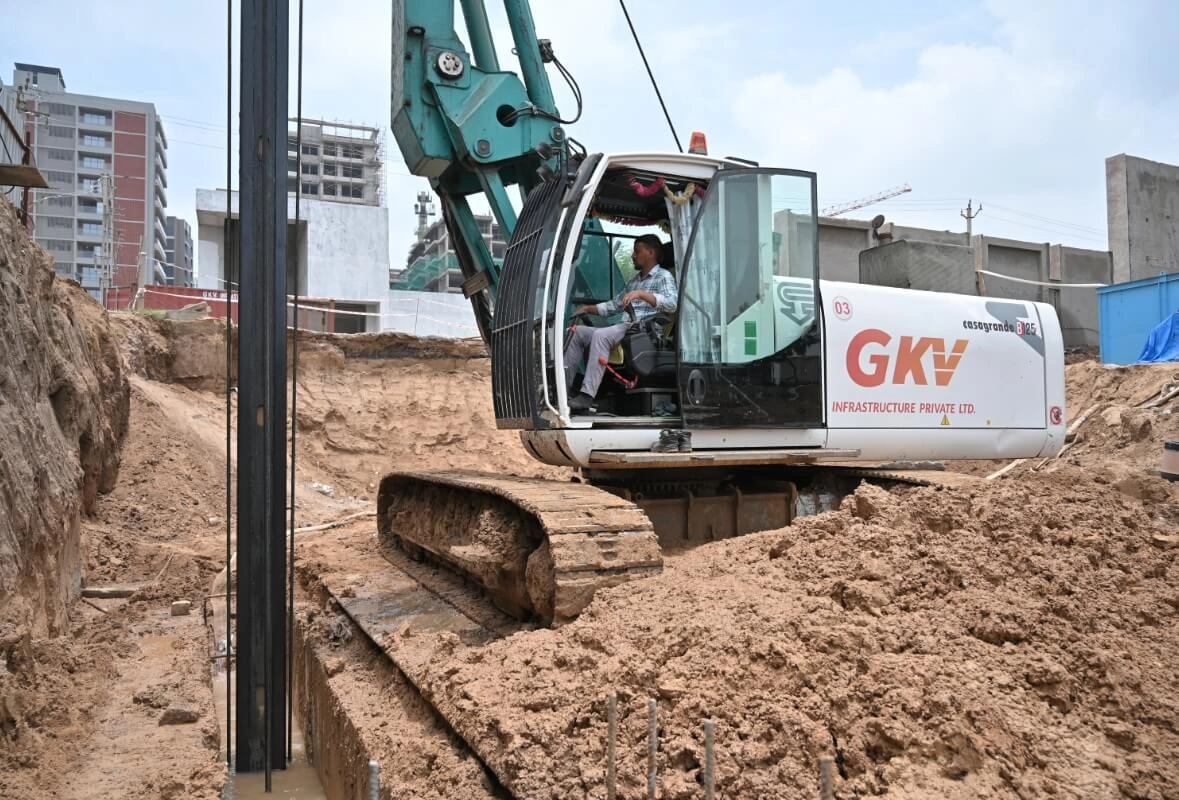
Diaphragm wall grabs building and construction normally uses mechanical excavation, such as hydraulic grabs and clamshells, which allow for rapid and accurate trenching even in difficult dirt problems. The trenching equipment cuts through the dirt quickly, minimizing the moment needed to produce secure, strengthened walls. In addition, these innovative excavation tools enable deeper trenching in a solitary procedure, minimizing the requirement for repeated digging and instalment efforts.
Decreased Installation Time: With specialized devices, diaphragm wall panels can be created in much less time, as the machinery permits workers to develop longer and much deeper wall surfaces much more effectively.
Precise and Controlled: The control given by mechanical excavation guarantees the stability of the trench and enables synchronised putting of concrete, conserving significant time during setup.
One of the main benefits is that they give high lateral assistance, which lessens the quantity of soil variation and ground activity. This control capacity is vital in city settings or other atmospheres with surrounding frameworks, as it reduces the impact on nearby buildings and utilities.
Safe, Secure Environment: They safeguard the boundary and support the surrounding location, allowing constant building and construction without the delays triggered by displacement or disintegration.
Continuous Operations: The stability diaphragm walls supply lessens downtime due to changing dirt or water intrusion, enabling staffs to service other facets of the task concurrently.
Diaphragm walls can be installed in narrow and constrained rooms, making them a reliable solution for metropolitan infrastructure projects, where gain access to is typically limited. Unlike some deep structure alternatives, diaphragm walls do not need a big impact, lowering the requirement for considerable excavation or short-term earth retention systems.
Efficient Use Space: With a smaller sized functional impact, diaphragm walls enhance operations, permitting employees to access building areas without significant disruption.
Increased Crew Efficiency: By keeping the worksite steady, diaphragm walls allow employees to finish jobs at a much faster price without jeopardizing safety, as they lower the demand for additional excavation or reinforcement.
Safety is vital on any type of building and construction website, specifically in huge infrastructure projects where threats to employees, the general public, and the environment can be substantial. They bring several crucial safety benefits that enhance task integrity and protect both workers and bordering structures.
Avoiding Ground Collapse and Soil Instability: Among the primary risks in big excavation projects is the capacity for ground collapse. Diaphragm walls act as a keeping framework, offering lateral assistance that maintains soil from moving or collapsing into the excavation website.
Decrease in Collapses: They offer strong lateral assistance, safeguarding employees and tools within the excavation website from dirt collapse, which is particularly crucial in deep and large excavations.
Improved Site Integrity: By stopping dirt erosion and preserving the architectural stability of the worksite, diaphragm walls produce a more secure working environment, decreasing mishaps and relevant hold-ups.
Control of Groundwater Breach: In locations with high groundwater levels, regulating water circulation is important to maintaining a secure worksite. Diaphragm walls function as an obstacle to groundwater, maintaining it from leaking right into the excavation location and stopping flooding.
Reduced Risk of Water Damage: They stop water from permeating into construction zones, lowering the risk of flooding that can trigger substantial damage to the framework and equipment.
More Secure Problems for Workers: By maintaining a completely dry office, diaphragm walls make sure safer working conditions, safeguarding employees from possible crashes associated with unsteady or waterlogged dirt.
Improved Load-Bearing Capability: They are highly strengthened and have outstanding load-bearing stamina, enabling them to stand up to the considerable stress of bordering soil and groundwater. This strength is crucial for offering a risk-free and steady environment in large infrastructure projects.
Decreased Threat of Structural Failure: They are resilient under heavy loads, which assists avoid structural failures that can threaten the job and compromise employee safety.
Long-Term Stability: For infrastructure projects that need durable assistance, they offer the toughness needed to keep safety and architectural stability over expanded durations.
While diaphragm walls call for customized construction techniques, their long-term benefits make them a cost-effective remedy for massive jobs. Their sturdiness, resistance to water, and convenience of setup reduce upkeep needs, using considerable price savings over the life span of a job. Furthermore, by speeding up task timelines and lowering safety dangers, diaphragm walls minimize the concealed prices commonly associated with job hold ups and crashes.
Diaphragm walls are especially useful in specific kinds of infrastructure projects:
Below Ground Parking Lot: By supplying steady planet retention and regulating groundwater, diaphragm walls are frequently utilized in deep underground parking garages in city environments.
Subway Stations and Tunnels: For transportation tasks, diaphragm walls assist have dirt and give lasting architectural honesty, enabling crews to work safely underground.
Dams and Reservoirs: Diaphragm walls play an important duty in water control infrastructure, sustaining embankments and preventing seepage in storage tanks.
Each of these applications benefits from the efficiency, safety, and structural assistance supplied by diaphragm walls, highlighting their value in major infrastructure projects.
Diaphragm walls offer a reliable, safe, and efficient solution for modern infrastructure projects, helping reduce construction time and improve overall project performance. As the demand for strong and sustainable foundations continues to grow, GKV Infrastructure remains committed to delivering quality diaphragm wall solutions that support faster, safer, and future-ready construction.

We’re here to assist you and answer any questions you may have. Submit this form to send us your Inquiry.
You can also call us at +91 97272 54900.

 Get in Touch


